August 28, 2026
Maintaining a functional climate control system is essential for preserving indoor comfort and protecting household air quality throughout changing seasons. When heating or cooling equipment begins to fail, warning signs often emerge long before a total mechanical shutdown occurs. According to WebX, 14.3 million HVAC units are replaced each year. Recognizing early operational warnings allows homeowners to schedule timely diagnostic repairs before minor issues escalate into expensive emergencies.
Partnering with a skilled HVAC contractor ensures that internal mechanical components, electrical connections, and refrigerant levels are evaluated. Prompt professional attention safeguards your equipment, lowers monthly energy expenses, and restores consistent temperature control.
1. Recognizing Unusual Metallic Clanking Sounds
Loud grinding, squealing, or metallic clanking noises originating from your furnace or air conditioner indicate immediate mechanical distress within moving internal components. Blower motor bearings wear down over time, loose fan belts slap against metal housings, and motor shafts vibrate violently during operation.
Contacting an experienced HVAC contractor promptly prevents loose internal hardware from causing damage to surrounding blower wheels and electrical wiring.
Ignoring harsh mechanical sounds risks complete motor burnout and severe internal damage. Skilled service technicians inspect internal assemblies, replace worn fan belts, lubricate dry bearings, and secure loose internal housing panels before severe mechanical failures occur.
2. Identifying Unexpected Spikes in Monthly Utility Bills
A sudden, unexplained increase in monthly electric or natural gas expenses often signals declining heating and cooling equipment efficiency. When internal components like evaporator coils accumulate heavy dust or air filters become clogged, system motors work significantly harder to circulate air. Engaging a qualified HVAC contractor allows technicians to perform thorough system tune-ups, clean dirty heat exchangers, and recalibrate internal burner assemblies.
Restoring proper thermal efficiency prevents unnecessary utility overcharges while extending overall equipment operational lifespan. Professional maintenance restores smooth system operation, reducing electrical strain on internal components and keeping monthly energy bills predictable throughout peak summer and winter seasons.
3. Detecting Unpleasant Odors Originating From Ductwork
Musty, burning, or sulfurous odors emerging from supply registers when equipment turns on indicate potential health and safety hazards inside living quarters. Burning dust smells during initial seasonal startups may pass quickly, but persistent acrid odors signal overheating electrical wiring or failing blower motors.
Contacting a licensed HVAC contractor immediately is critical if you detect sweet chemical smells or rotten egg odors, which indicate dangerous refrigerant leaks or gas line breaches. Service crews utilize specialized electronic leak detectors to locate gas line cracks and electrical shorts safely. Resolving odor issues quickly protects family health and prevents dangerous carbon monoxide exposure.
4. Observing Short Cycling Patterns During Peak Operation
When climate control equipment turns on and off rapidly every few minutes without reaching desired thermostat settings, short cycling is occurring. Short cycling places intense electrical stress on compressor motors, igniters, and safety switches, leading to premature mechanical failure. Consulting an established HVAC contractor helps identify underlying causes, such as oversized equipment, restricted airflow, or failing flame sensors.
Service technicians test system sensors, clear obstructed condensate lines, and adjust airflow parameters to restore normal operating cycles. Eliminating short cycling reduces mechanical wear, stabilizes indoor humidity levels, and prevents costly compressor burnouts during hot summer afternoons.
5. Managing Weak Airflow Coming From Supply Registers
Weak air volume exiting supply registers across multiple rooms indicates restricted airflow within ductwork or failing blower motor assemblies. Clogged air filters, collapsed flex ducts, or heavy dust buildup along evaporator coils restrict circulating air, forcing blower fans to strain continuously. Hiring a responsive service technician allows professionals to measure duct static pressure, inspect internal blower capacitors, and clear obstructed cooling coils.
Restoring proper air velocity ensures balanced heating and cooling distribution throughout your home. Correcting airflow restrictions prevents evaporator coils from freezing solid, protecting compressor units from severe hydraulic lock and permanent mechanical destruction.
6. Spotting Active Fluid Leaks Around Central Equipment
Pooling water or chemical refrigerant around indoor furnace cabinets or outdoor condenser units indicates active plumbing or chemical leaks. Obstructed condensate drain lines force excess water to overflow drain pans, spilling moisture directly onto subfloors, ceiling drywall, and sensitive electrical circuit boards. Partnering with a reliable repair team ensures that blocked drain lines are flushed completely and leaking evaporator coils are repaired with precision.
Repairing active fluid leaks prevents structural mold contamination, wood rot, and electrical short circuits. Prompt fluid containment shields your property from costly water damage while ensuring internal cooling systems retain a proper chemical balance for your home.
7. Experiencing Inconsistent Temperatures Across Indoor Living Spaces
Significant temperature variations between upstairs bedrooms and ground-floor living spaces indicate air balancing problems, leaking ductwork, or failing zone dampers. Unsealed duct connections inside attics or crawlspaces allow conditioned air to escape before reaching interior supply vents. Enlisting a professional technician enables service crews to perform duct leakage testing, seal leaking joints with mastic, and adjust balancing dampers.
Sealing ductwork leaks restores uniform temperature control across every room in your residence. Balanced airflow distribution eliminates frustrating hot and cold spots, enhancing daily living comfort and reducing unnecessary thermal load on central heating equipment across your home.
8. Struggling With Excessive Indoor Humidity Levels
High indoor humidity during summer months creates clammy living environments, promotes toxic mold growth, and increases susceptibility to airborne allergens. Air conditioning systems naturally remove atmospheric moisture as warm indoor air passes over cold evaporator coils during cooling cycles. Working alongside an expert service team allows technicians to inspect thermal expansion valves, adjust fan speeds, or install whole-home dehumidifiers.
Optimizing humidity removal restores crisp indoor air quality, making living spaces feel significantly cooler without lowering thermostat temperatures excessively. Effective moisture management protects hardwood flooring, prevents drywall warping, and enhances daily household comfort for everyone living in your home.
9. Overcoming Persistent Thermostat Responsiveness Issues
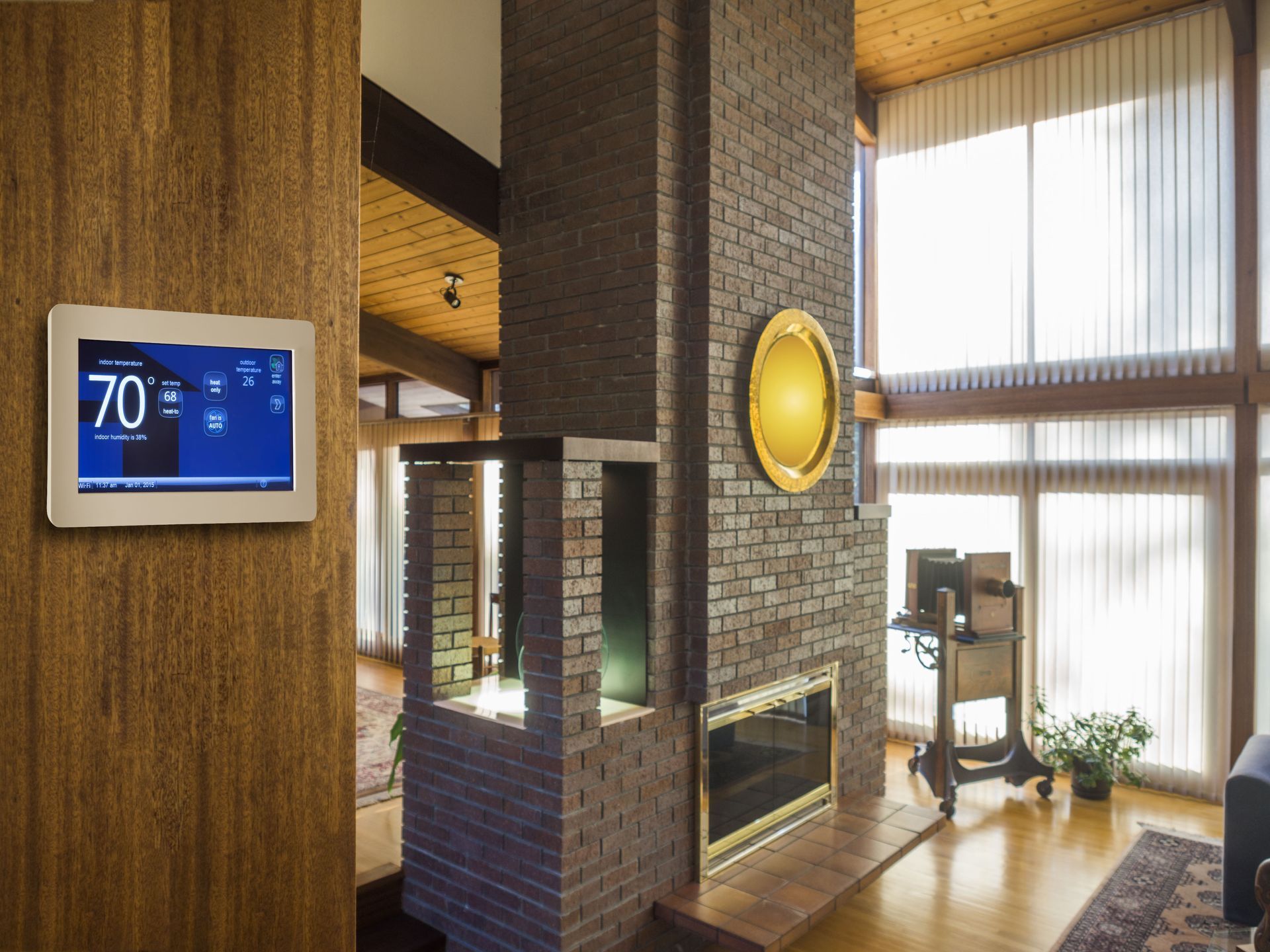
Unresponsive thermostat screens, incorrect temperature readings, or continuous equipment running despite reaching set temperatures indicate control wiring or sensor failures. Modern digital thermostats require precise low-voltage wiring connections and calibrated sensors to signal heating and cooling units accurately. Relying on an expert technician ensures proper thermostat recalibration, loose wiring repair, or seamless smart thermostat installation.
Upgrading outdated mechanical thermostats to programmable models optimizes temperature schedules automatically. Reliable thermostat communication ensures your equipment operates efficiently, maintaining exact comfort settings while eliminating unnecessary energy consumption during moments when no one is home.
10. Planning Timely System Replacement Before Complete Breakdown
Heating and cooling equipment approaching fifteen years of age often requires frequent repairs, expensive replacement parts, and excessive operational energy. Continuing to patch failing, outdated equipment yields diminishing financial returns compared to investing in modern high-efficiency heat pumps or furnaces. Selecting an experienced service provider ensures proper load calculations, proper equipment sizing, and flawless installation according to regional building codes.
Installing modern high-SEER replacement units drastically reduces monthly power consumption while delivering whisper-quiet operation. Upgrading outdated equipment provides complete peace of mind, protecting your home against unexpected mid-season breakdowns during extreme winter storms or summer heatwaves.
Recognizing operational warning signs early and taking decisive action protects your home's central heating and cooling investment across every season. From unusual metallic noises and weak register airflow to active fluid leaks and soaring electric bills, prompt professional intervention prevents minor malfunctions from becoming severe breakdowns.
Engaging a qualified HVAC contractor ensures accurate diagnostic troubleshooting, high-grade replacement parts, and safe equipment operation. Restoring efficient mechanical performance preserves daily indoor comfort, enhances healthy indoor air quality, and lowers monthly utility expenses.
Schedule a professional system inspection today with DELLAVALLE Heating & Air Conditioning to keep your central climate control equipment operating reliably, smoothly, and safely. Don't hesitate; contact the top HVAC contractor in Bucks and Montgomery Counties, PA today for more.